
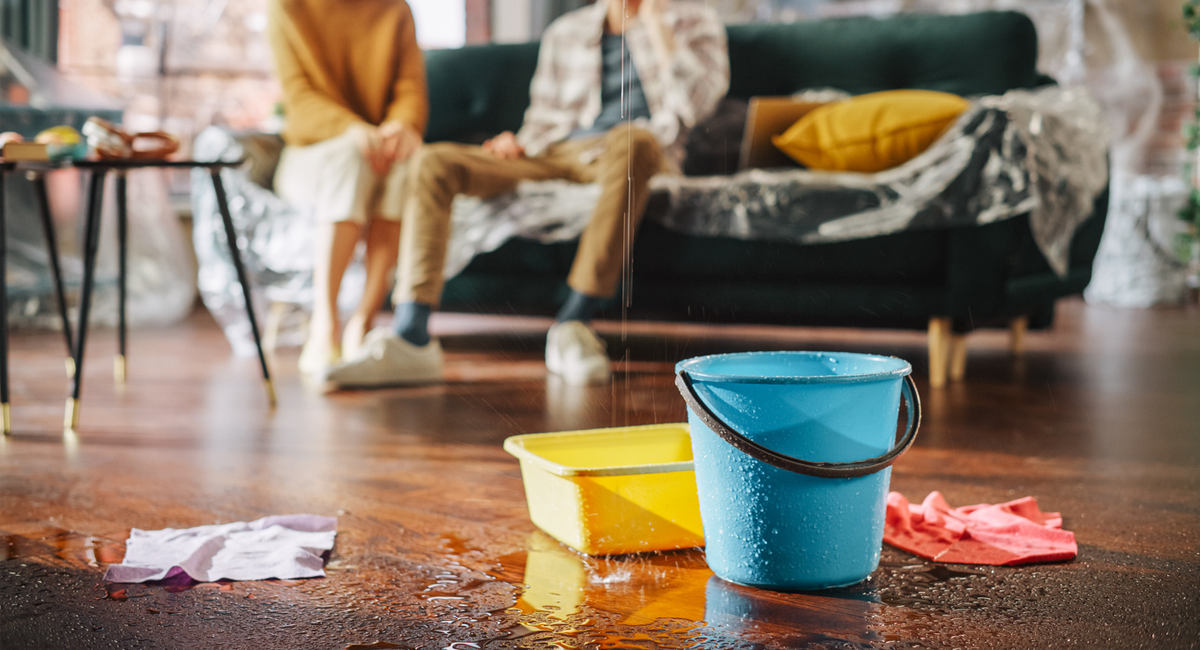
Old homes hold value, but they also hold risk. Water is the quietest destroyer; it seeps, swells, and rots long before damage is visible. For properties built before modern waterproofing standards, prevention is not a single repair decision; it is a system of vigilance built on trust, documentation, and timing. The most expensive water damage rarely comes from dramatic leaks.
It comes from slow neglect: gutters left uncleared, aging supply lines behind walls, grading that directs runoff toward foundations. These issues are predictable, but only if someone local is regularly paying attention. A reliable property maintenance partner is not a convenience; it is an investment in asset protection. Technology offers visibility but not control. Smart leak sensors, sump pump monitors, and water shutoff valves provide immediate data, yet data is useless without someone who will act when an alert triggers. The right partner combines local responsiveness with structured reporting. Photos, timestamps, and clear next steps replace the anxiety of distance.
The most effective approach integrates seasonal maintenance with inspection cadence. Roofs and basements after heavy rains; plumbing lines and insulation before winter; exterior grading each spring. This predictable rhythm prevents surprises, preserves insurance eligibility, and extends the property’s life. Water damage prevention is ultimately about asymmetry.
Small, inexpensive checks prevent catastrophic, high-cost repairs. The winners in property ownership are not those who react quickly; they are those who design systems where emergencies rarely occur. Control without constant presence is possible when prevention is procedural and partnership is prioritized. Water will always find the path of least resistance; a disciplined maintenance system ensures that path never leads into the home.